
Hydrogeology & Hydrogeochemistry
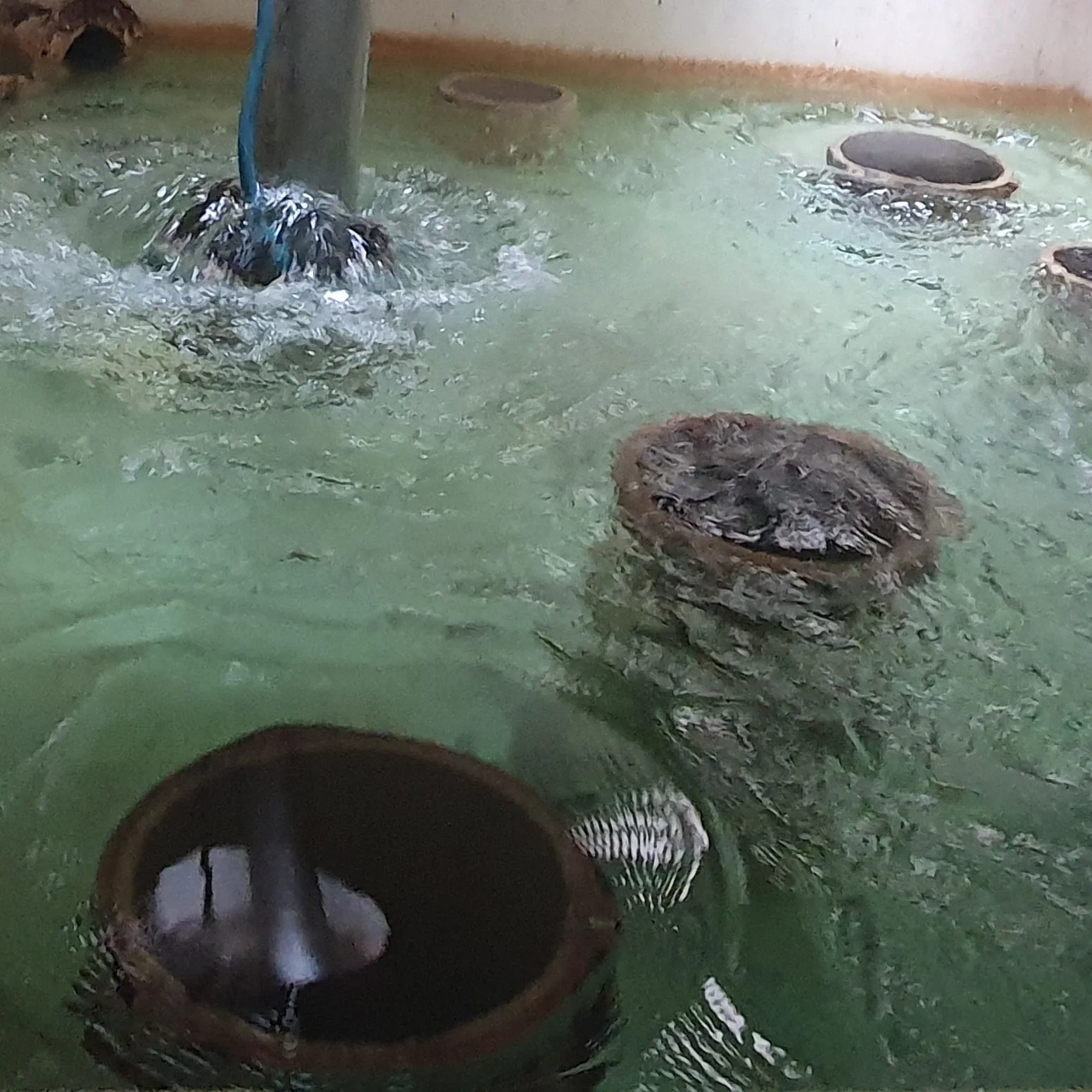
Hydrogeology deals with the application of geological, geophysical, hydrogeochemical and engineering principles to understand and utilize the behavior of groundwater concerning its properties, movement, and storage in the subsurface. A deep understanding of these basic principles is pivotal in ensuring sustained access to water resources, notably clean and secure drinking water.
We apply a great number of scientific techniques to characterize the subsurface and to explore and utilize water resources. These include geological mapping, exploration through geophysical methods, drilling, pump test etc., and the creation of numerical models.
Hydrogeochemistry focuses on examining interactions between water and rocks, which are crucial for the understanding of geochemical processes. The composition of water and the properties of rocks are central factors in this field. Hydrogeochemistry is essential for researching groundwater resources (necessary for medicinal and mineral water) and developing management strategies. It serves as an important tool for investigating environmental issues, such as groundwater contamination from human activities.
Geothermal energy
Geothermal energy is a renewable form of energy extracted from the heat within the Earth´s interior, primarily generated by the radioactive decay of elements within the Earth´s crust. In recent years, its utilization has significantly increased as it provides a clean, continuously available, and cost-effective alternative to fossil fuels.
Geothermal energy offers numerous advantages over other energy sources. It’s nearly emission-free, making it far more environmentally friendly than fossil fuels. Moreover, it is one of the most reliable forms of renewable energy since Earth´s internal heat remains consistently available, unaffected by daily or seasonal fluctuations. Additionally, being a locally accessible energy reservoir, geothermal energy has the potential to reduce dependence on foreign energy sources and promote domestic value creation.
Overall, geothermal energy offers a promising opportunity to meet our future energy demands by providing a sustainable, clean, and dependable energy source.
Near-surface geothermal energy
Near-surface geothermal energy utilizes stored heat at depths of up to 300 meters to heat or cool buildings. The technology relies on relatively constant underground temperatures at depths of around 15 meters, and both water and rock possess a high thermal capacity, allowing them to store and release heat and cold efficiently.
Energy is extracted from the ground or groundwater using borehole heat exchangers, well systems, or earth heat collectors. It is then used with a heat pump to provide space heating and hot water. In summer, the technology can also be used to cool buildings by extracting heat from the building and transferring it into the ground, ideally through direct cooling without the need for a heat pump. This process cools the building and thermally recharges the ground.
Near-surface geothermal energy boasts several advantages. It’s a renewable energy source, and particularly efficient and sustainable in low-temperature applications like underfloor or wall heating. The technology is highly reliable and requires low maintenance. It is locally accessible, and not subject to daily or seasonal variations.
Deep geothermal Energy
Deep geothermal energy utilizes heat from deep underground (typically below 300 meters in Central European areas) to generate electricity and heat. This technology relies on the geothermal gradient, the increase in temperature with depth within the Earth. With a sufficient amount of water-bearing rock, the water can absorb the heat from the rock and, after being brought to the surface, release it for various uses.
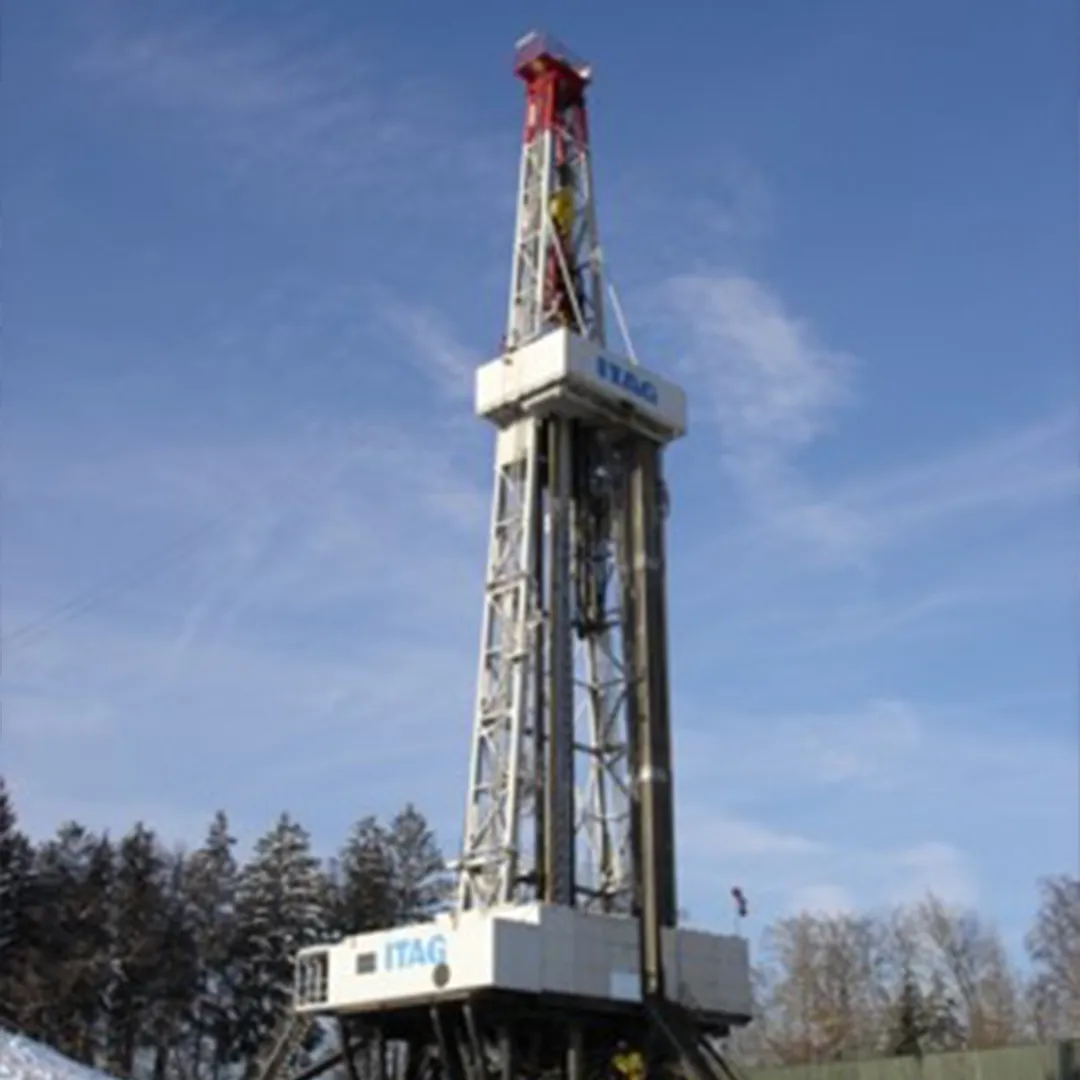
To develop hydrothermal resources, a well is drilled to extract hot water from deeper layers of the Earth’s crust. Depending on the temperature level, this energy source can be used for district heating, greenhouse heating, and other purposes. At very high temperatures, electricity can also be generated. Although the technology requires substantial investment for deep drilling, it is highly reliable and capable of providing continuous energy. Only a small portion of the extracted energy, approximately 5% to 10%, is used to operate the pumping equipment. The selection of the site based on geological conditions is crucial, as not every location is suitable.

Mag: 2000x | HV: 10 kV WD: 10 mm
– 10 um –
Research and education
Research and education are two important pillars of the academic world. Research entails systematic exploration of a topic to uncover new insights and advance existing knowledge. Education, on the other hand, involves imparting knowledge and skills (especially to students) to the next generation.
Due to our high scientific standards, we collaborate closely with universities and non-university research institutions. We present our project results at specialized conferences and aim to publish them in national and international scientific journals.
Moreover, we actively engage in various research projects and expert panels, while also serving as guest lecturers for geothermal energy departments at universities and colleges, both domestically and abroad.

